


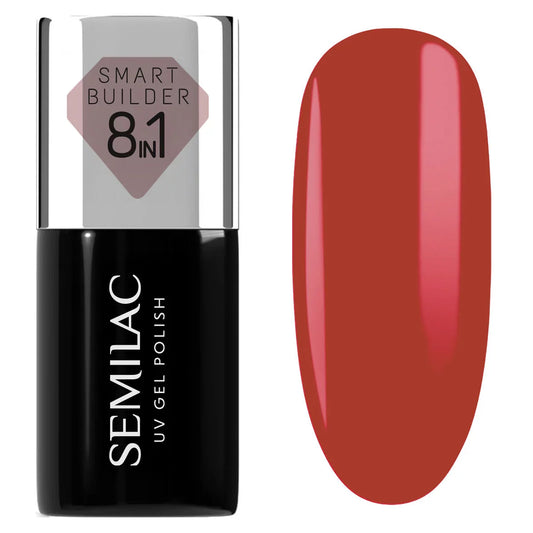
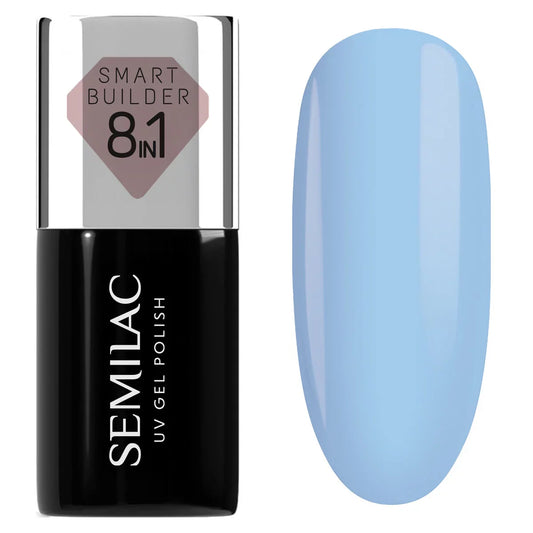
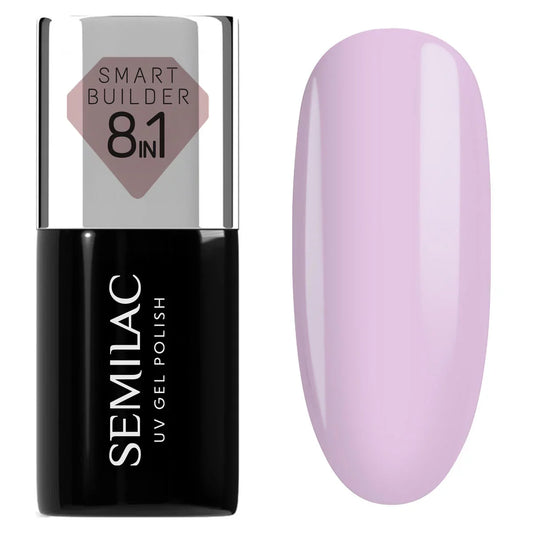
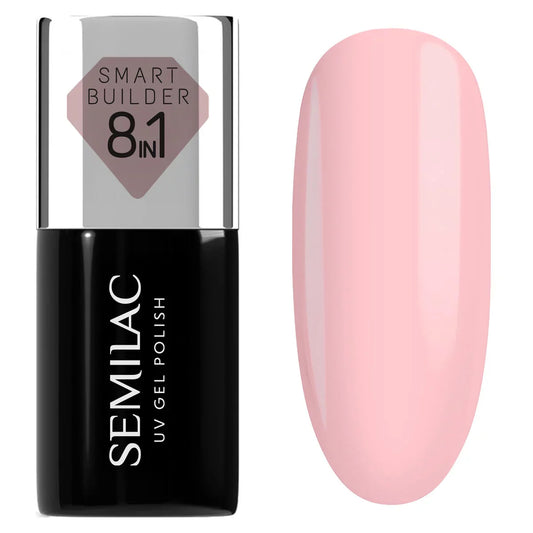



Most common mistakes when applying Semilac Gel UV Hybrid

Perfect Semilac Gel UV Hybrid application isn't complicated, but small mistakes create big problems. One wrong step turns a potential three-week manicure into a five-day disappointment. Understanding where things go wrong helps you avoid the frustration of lifting, chipping, and premature wear. These aren't rare errors - they're the everyday mistakes that trip up even experienced users. Let's identify what's sabotaging your gel manicures!
Preparation errors that destroy your manicure before it even starts
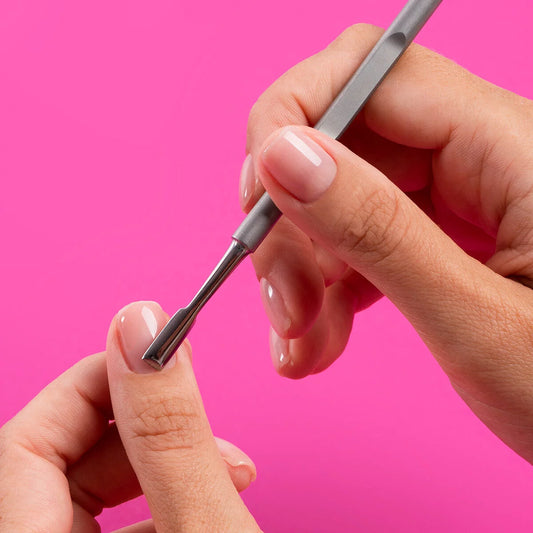
Skipping proper prep is the number one reason gel fails early. Oil on the nail plate prevents adhesion, causing the entire manicure to pop off within days. Not pushing back cuticles thoroughly means gel touches skin, creating immediate lift points. Under-buffing leaves the nail too smooth for gel to grip properly, while over-buffing thins the nail plate unnecessarily.
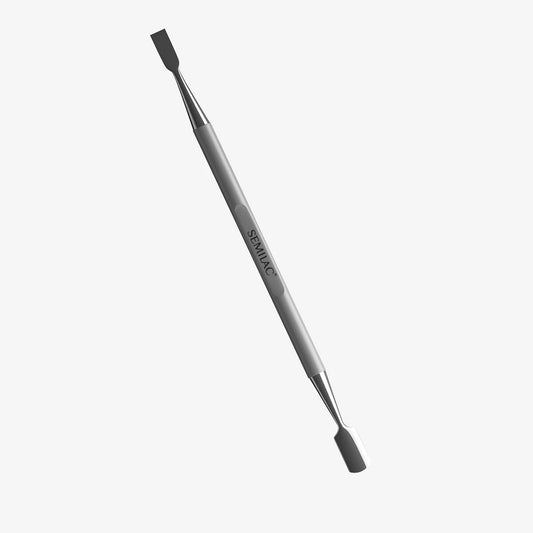
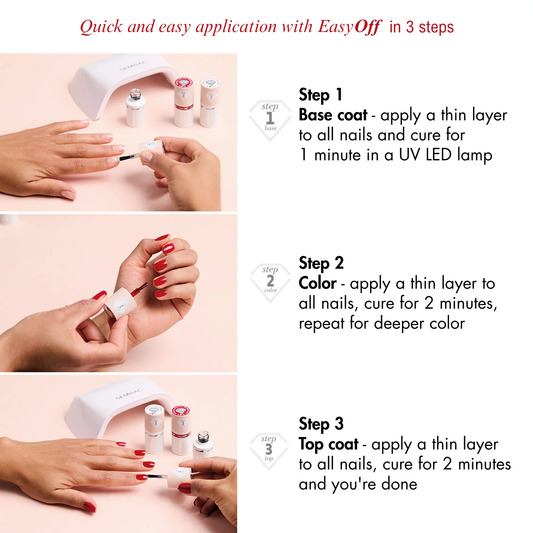
Here's what proper prep actually requires: clean nails, gentle buffing to create texture, thorough cuticle work, and complete dehydration with cleanser or alcohol. Missing any step compromises everything that follows. The five minutes spent on prep determines whether your Formentera 480 or Marble Nude A710 lasts three days or three weeks.
Why thick layers wreck everything and how thin coats save your manicure
Thick coats seem like they'd be stronger, but they're actually the kiss of death for gel manicures. Thick layers don't cure properly in the center, staying soft underneath while appearing cured on top. This causes wrinkling, peeling, and early failure. The Semilac Hybrid Nail Polish formula works best in thin, buildable layers - two or three thin coats always outperform one thick application.
Flooding the cuticle area with gel is another major mistake. When gel touches skin, it creates a pathway for water and oils to seep underneath, causing lifting within days. That tiny gap between gel and skin isn't optional - it's essential for longevity.
Critical curing mistakes that sabotage perfect application
These curing errors sabotage even perfect application:
-
Not curing long enough between layers - uncured gel underneath causes the whole manicure to fail
-
Using old or weak lamps that don't cure properly - invest in quality LED lamps and replace bulbs regularly
-
Moving your hand during cure time - even slight movement can cause wrinkling or incomplete curing
-
Overcrowding the lamp - curing multiple fingers at once only works if your lamp has adequate coverage
-
Skipping cure time on base coat - every single layer needs complete curing, no exceptions
How different colors demand different handling techniques
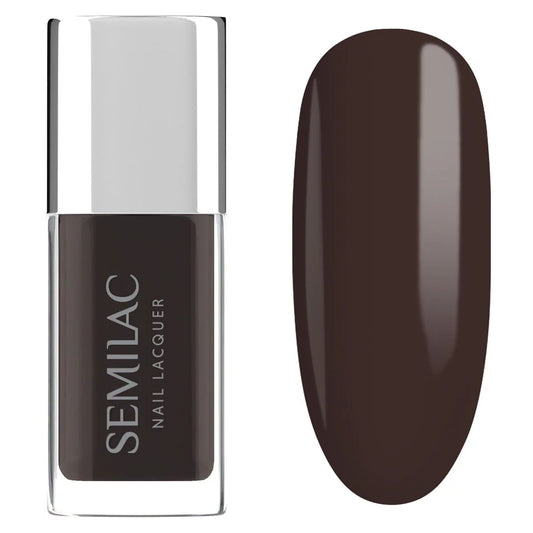
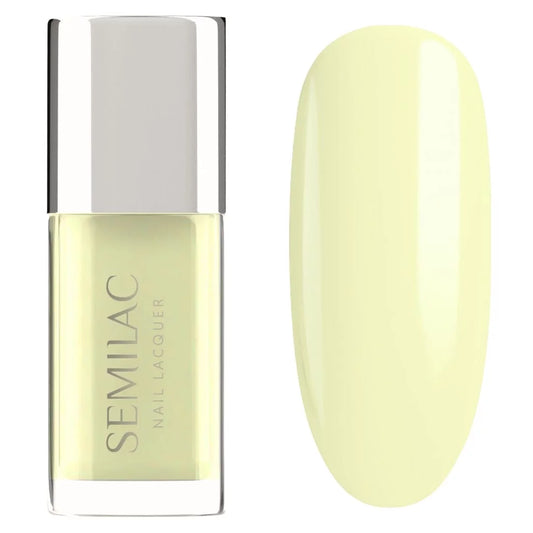
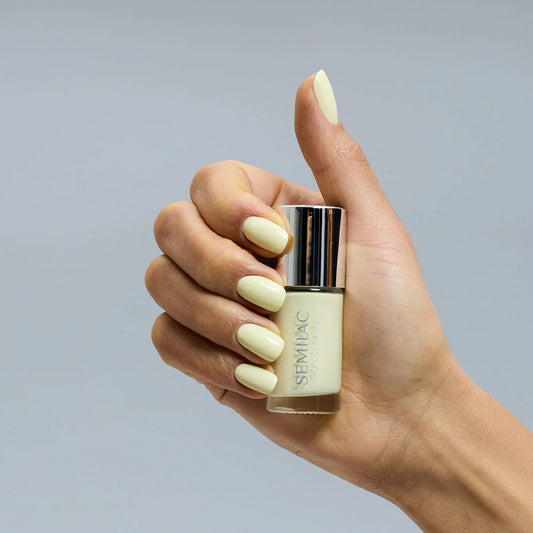
Different formulas need different handling. Light shades like Barely Butter 929 show every streak and application flaw, requiring more careful brushwork. Heavily pigmented colors like Magnetic Look 330 can appear opaque in one thick coat, tempting you to skip the second thin layer - don't. The Semilac Hybrid Polish pigmentation might look perfect, but that thick single coat won't cure properly.
Shimmer and glitter formulas like Flash and Blush 396 need extra attention to even distribution. Wiping the brush on the bottle edge before application helps control glitter placement. For clients wanting bold effects, explain that proper layering takes time but prevents the disappointment of early wear.
The edge sealing mistake that causes 90% of premature peeling
Forgetting to cap the free edge with each layer is probably the most common mistake we see. Water seeps in through unsealed edges, working its way under the gel and causing peeling. Every layer - base, color, and top coat - needs that edge cap. It takes two seconds per nail but adds weeks to wear time. Even beautiful shades like Sunkissed Tan 369 won't last without proper edge sealing.
What you're doing wrong with top coat and how to fix it
Rushing the top coat ruins an otherwise perfect manicure. Applying it too thin means less protection and faster dulling. Not capping the edges one final time leaves the most vulnerable area exposed. Dragging the brush and disturbing the color underneath creates a cloudy finish. The top coat is your last chance to seal everything properly - take your time and do it right.
Cleanup mistakes that destroy hours of careful work
These cleanup errors create issues:
-
Not cleaning up gel on skin before curing - it cures to the skin and causes immediate lifting
-
Using too much cleanser after curing - it can dull the shine or cause wrinkling
-
Wiping off the sticky layer on base coat - some base coats need that tackiness for color adhesion
-
Aggressive cleanup that disturbs the gel - use gentle, precise movements near cuticles
-
Not cleaning tools between clients - dried gel on brushes affects application quality
Understanding the why behind every mistake
We've developed formulas that forgive minor mistakes, but physics still matters. Understanding why these errors cause problems helps you avoid them naturally. Perfect technique comes from knowing what not to do as much as knowing what to do. Each mistake teaches something - the key is recognizing the pattern and adjusting your approach accordingly.


No comments
0 comments