






Brittle and breaking nails - causes and professional solutions

Nail brittleness and splitting present significant challenges for nail professionals and their clients. Understanding the underlying causes and implementing targeted solutions using professional-grade products ensures optimal client satisfaction and nail health outcomes.
Understanding nail brittleness and its impact on professional services
Brittle nails manifest as thin, fragile nail plates that split, peel, or break easily under minimal stress. This condition affects not only the client's daily comfort but also the longevity and application success of gel polish services. Professional nail technicians encounter various degrees of nail brittleness, from minor surface splitting to severe structural weakness that compromises service delivery.
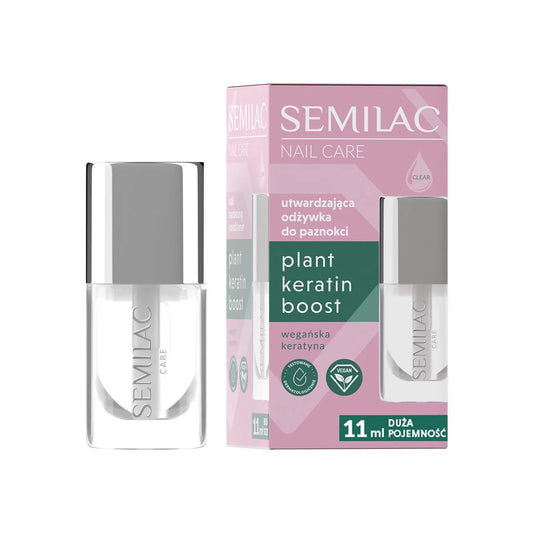
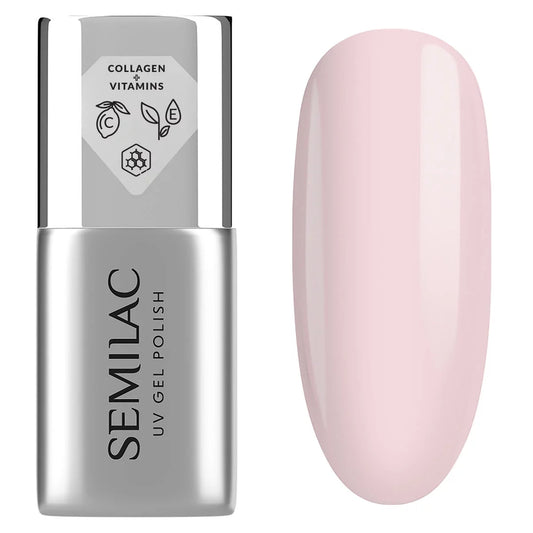
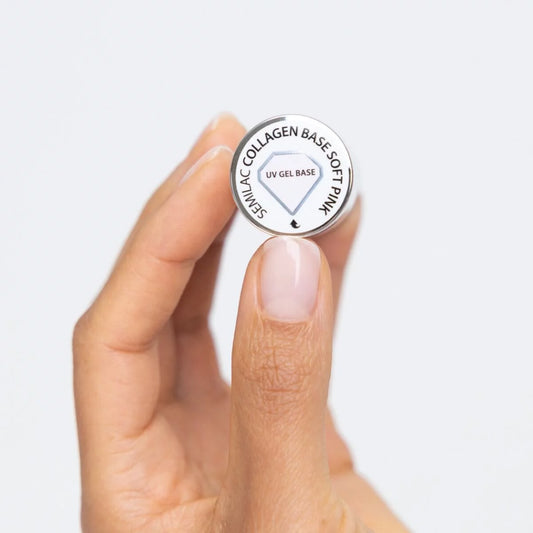
The nail plate consists of multiple keratin layers, and when these layers lose cohesion or become dehydrated, brittleness occurs. Environmental factors, chemical exposure, nutritional deficiencies, and mechanical trauma all contribute to this deterioration. For nail professionals, brittle nails require modified application techniques and specialized product selection. Standard base coats often prove insufficient for severely compromised nail plates, necessitating strengthening formulations like Semilac Fiber Base to provide adequate support and protection.
Primary causes of nail brittleness in salon settings
The primary causes of nail brittleness fall into several distinct categories that professionals must understand:
-
Chemical and environmental damage: Frequent hand washing, cleaning product use, and acetone-based nail polish removers strip natural oils from the nail plate. Swimming in chlorinated pools and hot tubs further dehydrates nail structures, leading to increased fragility and splitting tendencies
-
Mechanical trauma: Improper filing techniques, aggressive cuticle manipulation, or using nails as tools creates microfractures that propagate into visible splits. Nail biting and picking behaviors compound this damage, creating irregular stress patterns
-
Health-related factors: Thyroid disorders, autoimmune conditions, and hormonal fluctuations during pregnancy or menopause alter nail growth patterns and structural integrity
-
Nutritional deficiencies: Protein, biotin, and iron shortages manifest as weak, splitting nails that require specialized strengthening protocols
-
Seasonal influences: Low humidity, extreme temperatures, and UV exposure contribute to nail dehydration and brittleness, with seasonal changes correlating with increased client complaints
Professional education on proper nail care between appointments proves essential for long-term improvement and preventing continued damage accumulation.
Professional assessment and treatment strategies
Professional assessment protocols ensure effective treatment planning and optimal service outcomes:
-
Initial consultation documentation: Record detailed nail history, current health status, and lifestyle factors that contribute to brittleness. Visual examination should include nail plate thickness, surface texture, and existing damage patterns
-
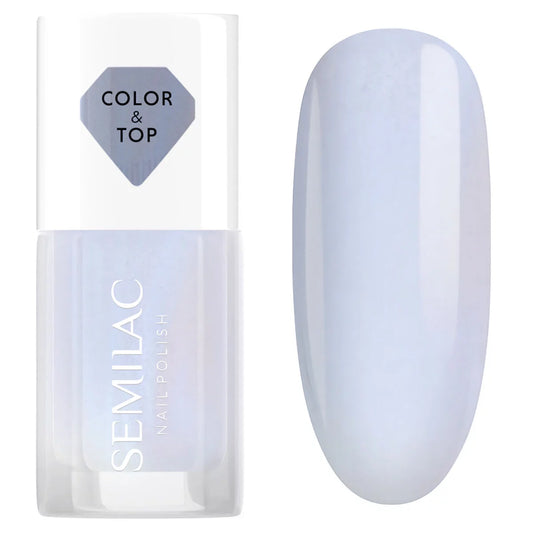
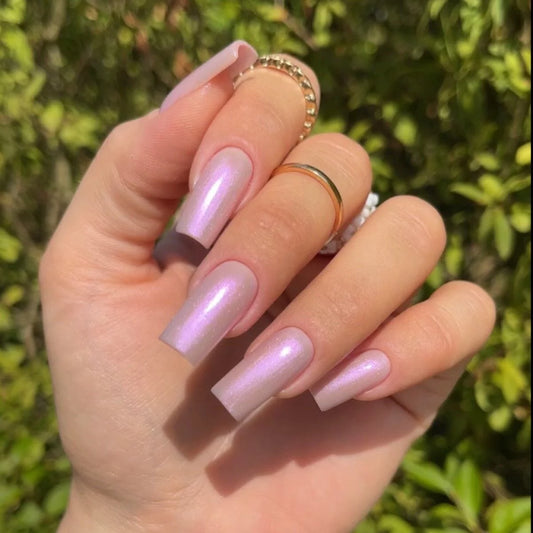
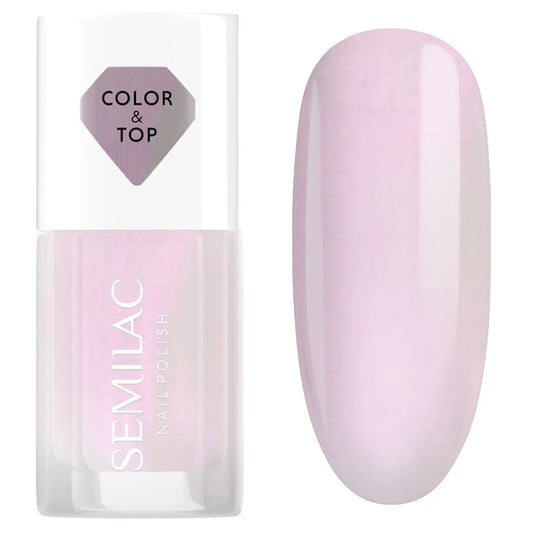
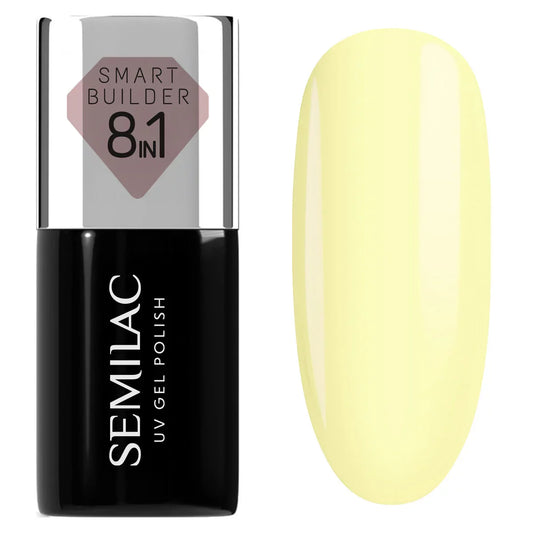
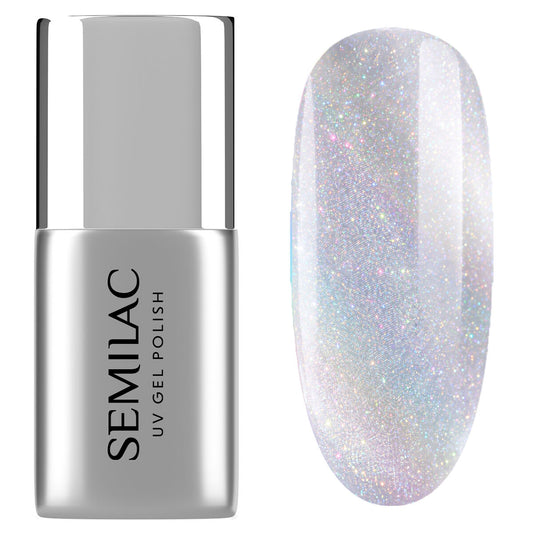
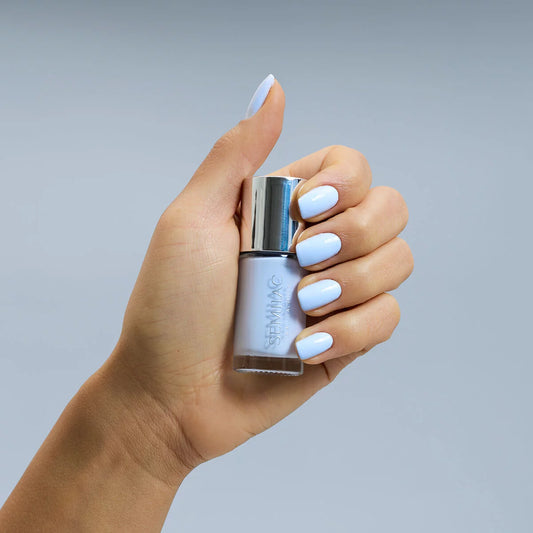
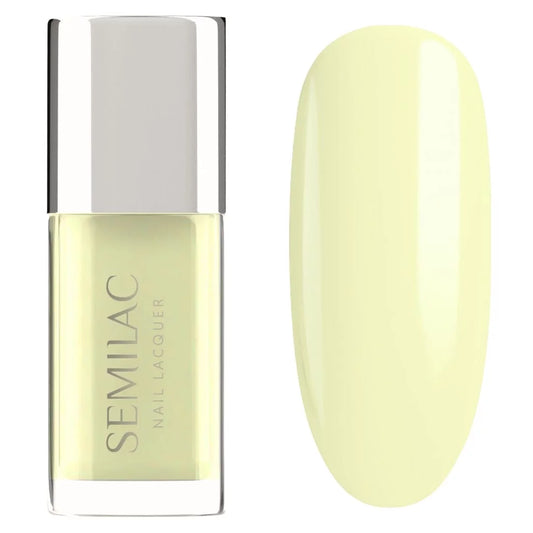
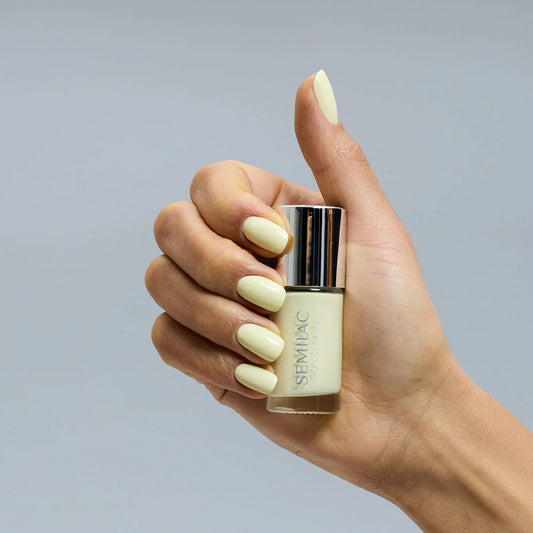
Product and color selection: Choose appropriate strengthening bases and lighter shades like 020 Green Glass, 022 Mint, or 009 Baby Girl that show fewer visible chips than darker alternatives
-
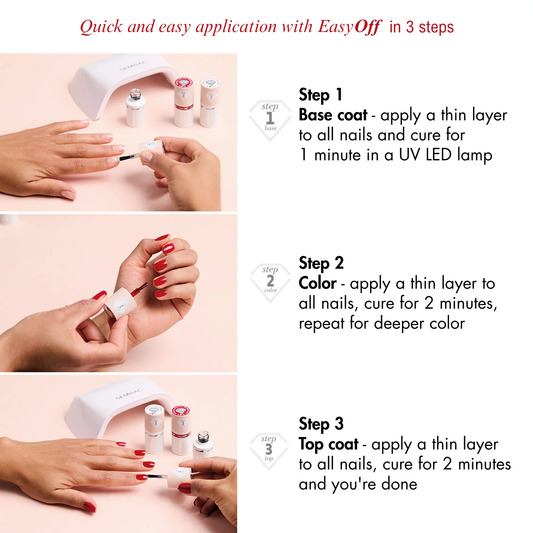
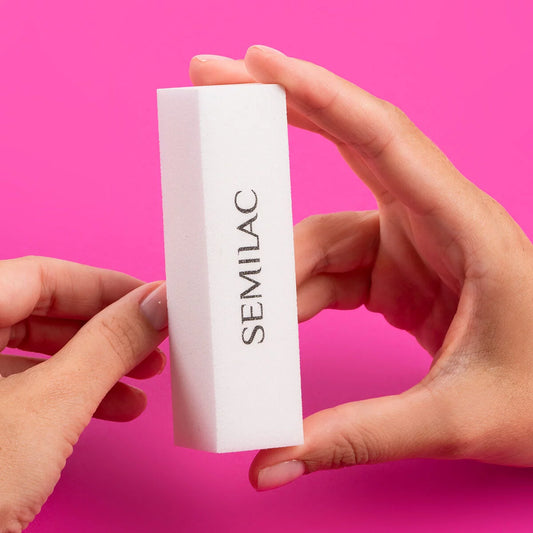
Application technique modifications: Adjust base coat thickness and curing times based on nail condition. Use gentle filing techniques with proper nail files to prevent additional damage
-
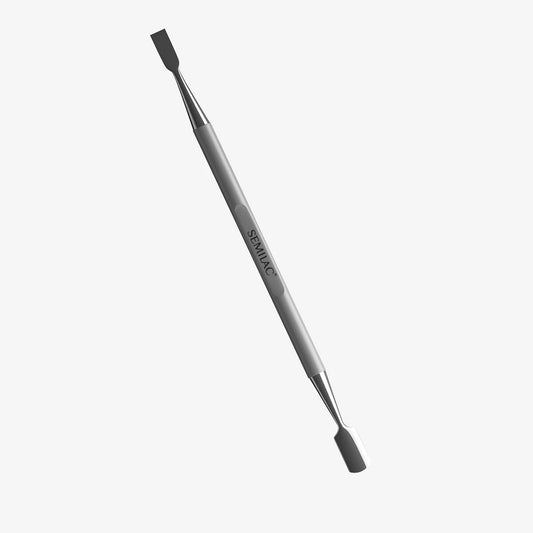
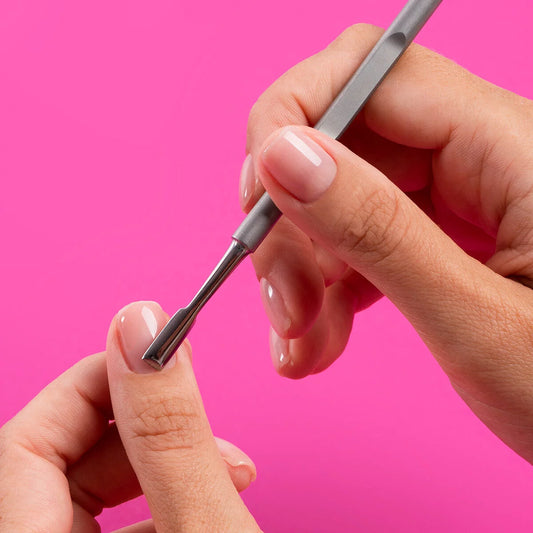
Tool considerations: Professional cuticle work requires gentle pressure and appropriate tools to avoid damaging weakened nail structures
Multiple thin layers often prove more effective than single thick applications for strengthening purposes, while neutral tones provide professional appearance and camouflage minor imperfections between appointments.
Prevention protocols and maintenance recommendations
Effective maintenance protocols require systematic approach to ensure lasting results:
-
Client education and scheduling: Provide detailed instructions on proper moisturizing techniques and protective glove usage. Implement more frequent appointments every 2-3 weeks rather than standard monthly intervals for continuous strengthening support
-
Home care regimen: Establish daily conditioning treatments using cuticle oils and hand creams to maintain nail flexibility and prevent excessive dryness between professional treatments
-
Progress monitoring: Regular follow-up appointments allow for treatment protocol adjustments and continued improvement assessment, establishing long-term client relationships built on successful outcomes
Professional maintenance requires consistent commitment from both technician and client to achieve optimal nail health restoration and prevent regression of strengthening efforts.
Final thoughts on managing brittle nails
Successfully managing brittle and breaking nails requires comprehensive understanding of causative factors combined with strategic product selection and modified application techniques. Professional nail technicians who implement proper assessment protocols and utilize specialized strengthening products achieve superior client outcomes and enhanced service longevity.
Consistent client education and appropriate home care recommendations ensure continued improvement beyond the salon environment. Regular follow-up appointments allow for treatment protocol adjustments, establishing long-term client relationships built on successful nail health outcomes.
FAQ:
How long does it take to see improvement in brittle nails with professional treatments?
Initial effects appear within 2-3 appointments, significant improvement takes 6-8 weeks.
Can severely brittle nails still receive gel polish services safely?
Yes, with strengthening bases and modified gentle application techniques.
What's the difference between various Semilac strengthening bases for brittle nails?
Fiber Base provides structural support, Care Base offers regenerative ingredients.
Should clients with brittle nails avoid certain nail polish colors or techniques?
Light colors work better than dark shades, avoid complex nail art.


No comments
0 comments