



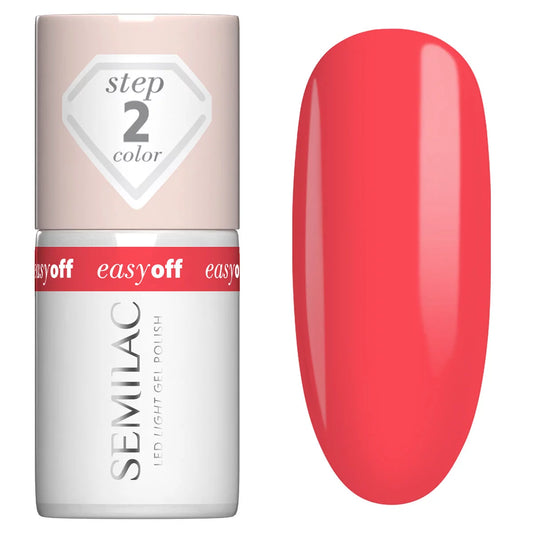
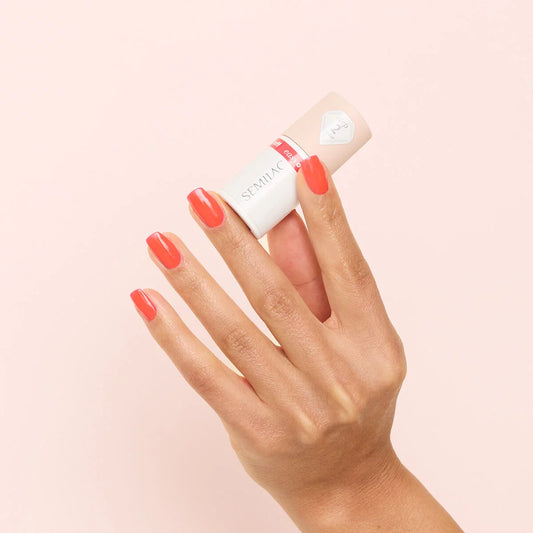
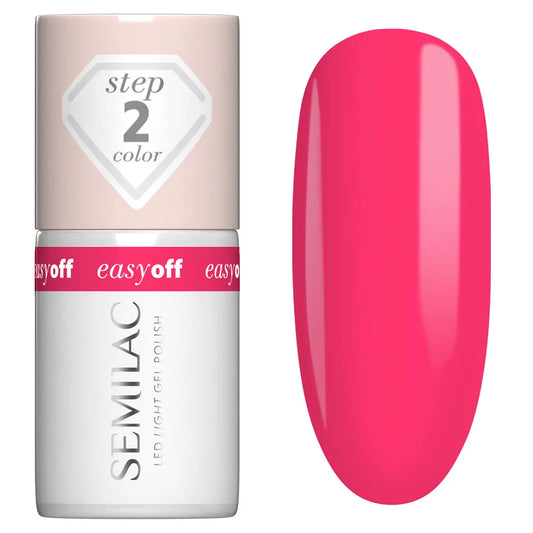
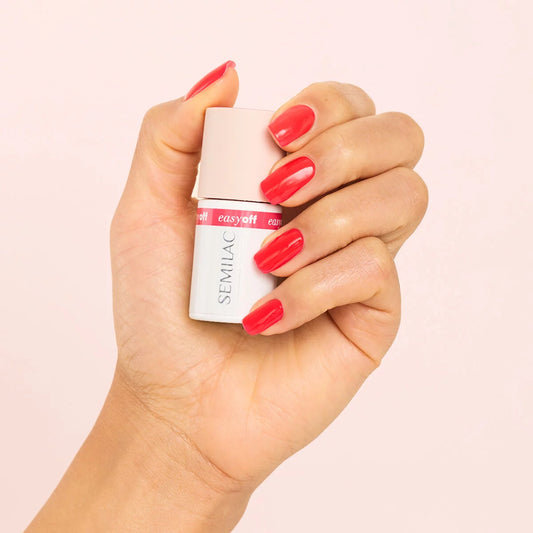
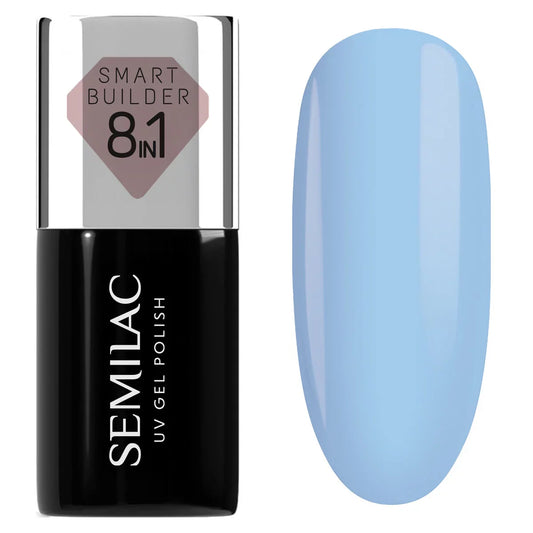
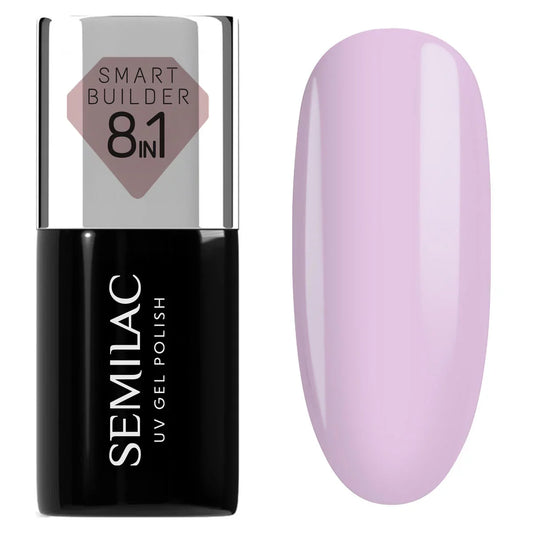
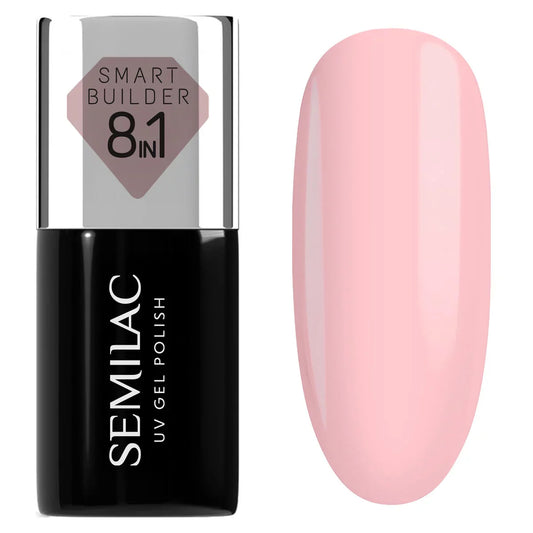
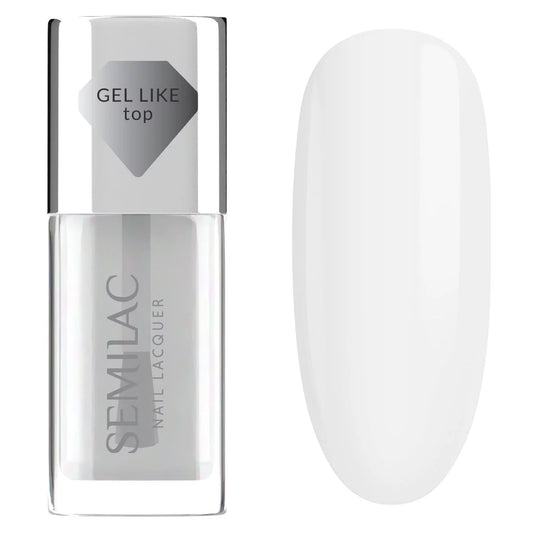





How to choose nail polish that matches your skin tone and nail plate

Master the art of color selection for perfectly coordinated manicures! Understanding skin undertones and nail characteristics creates harmonious looks that enhance natural beauty while showcasing individual style. The right color choice transforms simple manicures into signature looks that perfectly complement each client's unique features.
Understanding skin undertones
Successful nail polish selection begins with accurate skin tone assessment, which determines which color families will enhance or clash with natural complexion. Skin undertones fall into three main categories: warm, cool, and neutral, each requiring different color approaches for optimal harmony. Warm undertones feature golden, yellow, or peachy qualities that pair beautifully with coral, orange, warm reds, and golden beiges. Cool undertones display pink, blue, or purple hints that complement cool pinks, purples, blues, and silver-toned colors.
Neutral undertones combine both warm and cool elements, creating versatility that works with most color families. Professional assessment involves examining the wrist area under natural lighting, observing how different colors affect the skin's appearance. Colors that make skin look vibrant and healthy indicate good matches, while shades that create sallow or washed-out effects should be avoided. This foundational knowledge guides all subsequent color recommendations.
The skin tone cover base solution
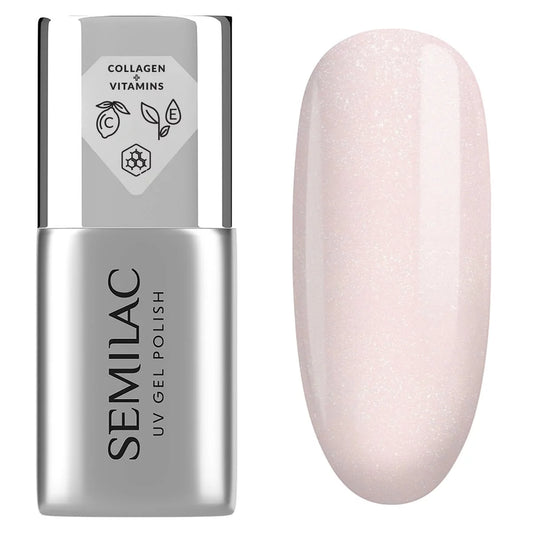
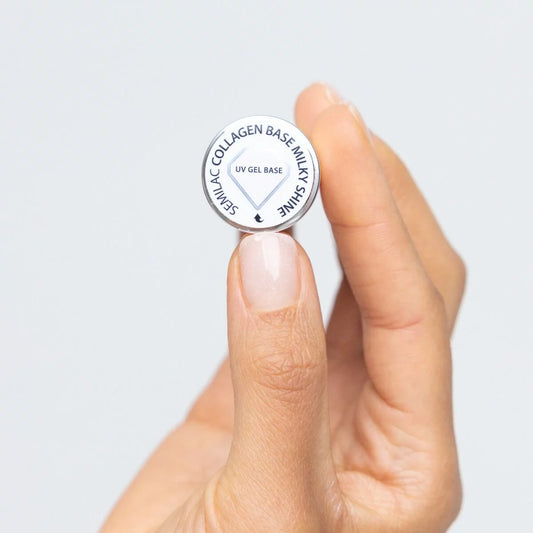
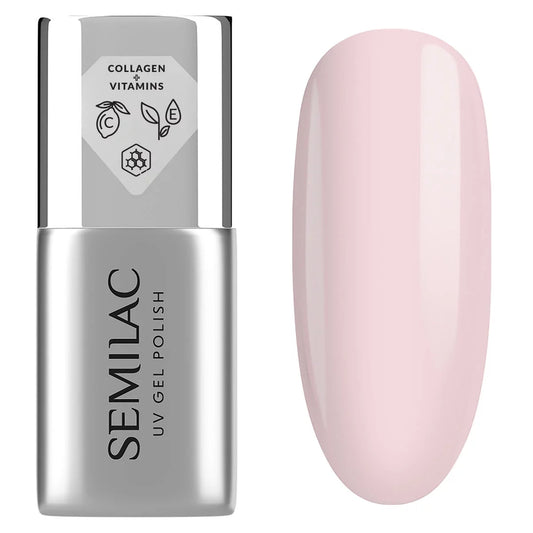
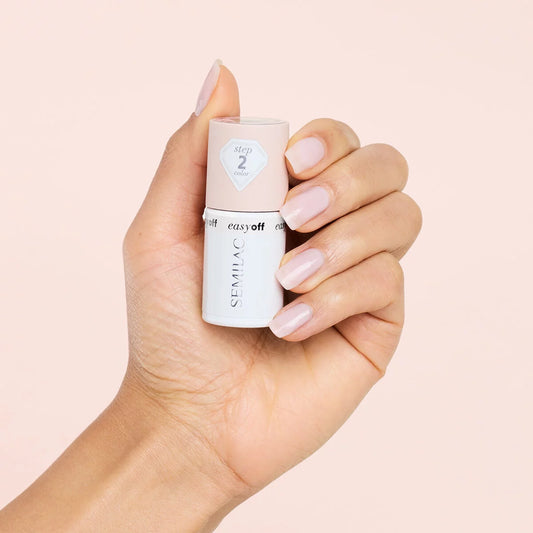
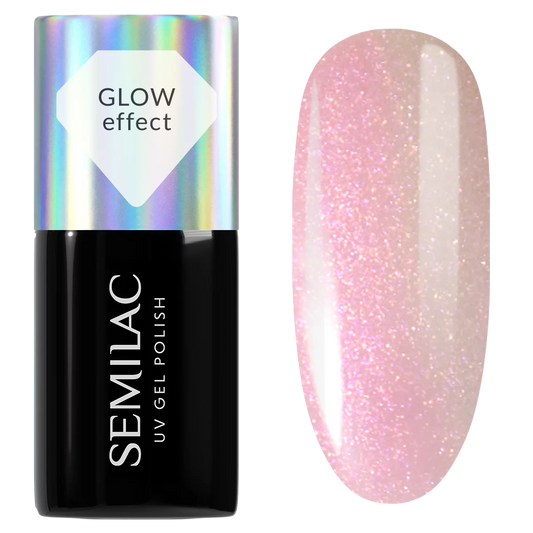
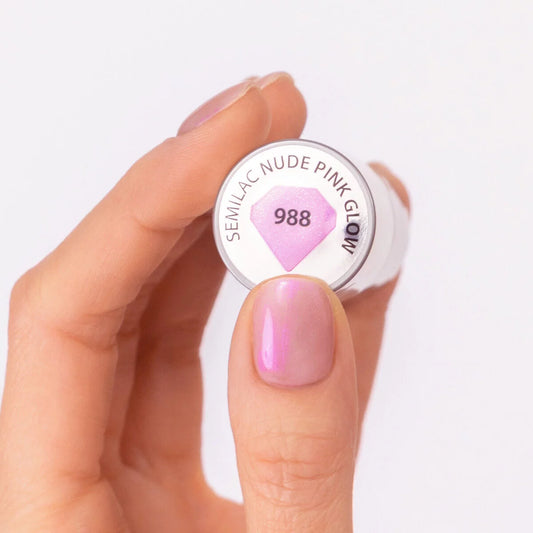
Modern nail technology offers innovative solutions for clients seeking perfectly matched colors through the Skin Tone Cover Base collection. These specialized hybrid bases combine foundation properties with subtle color, creating seamless nail-to-skin transitions that appear naturally enhanced rather than artificially colored. The flexible formulas adapt to various nail plate types while providing building capabilities for strength and extension needs.
Professional skin tone options include:
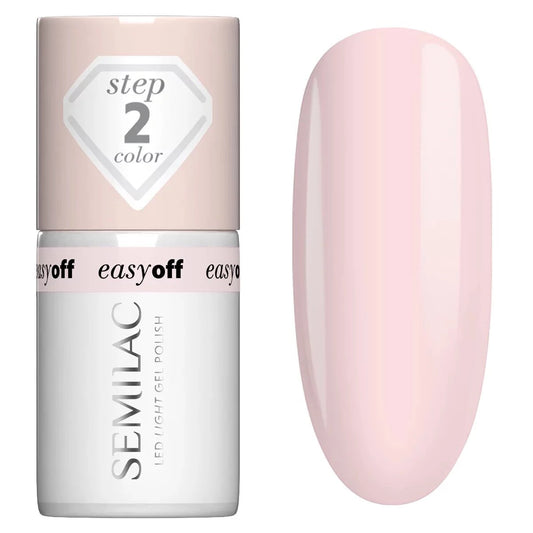
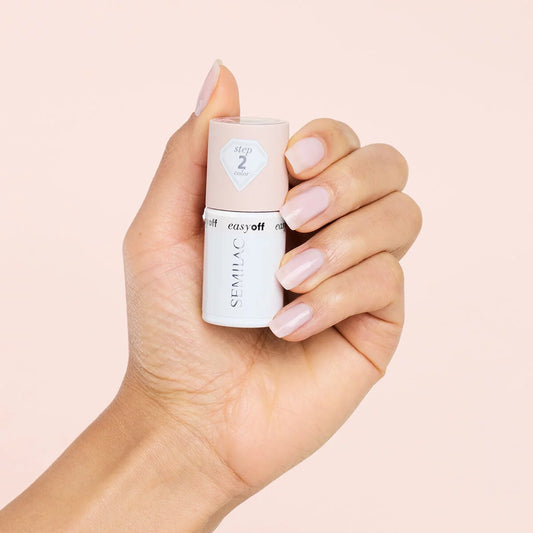
- Skin Tone Cover Base Rose Beige - perfect beige-pink blend for warm neutral undertones
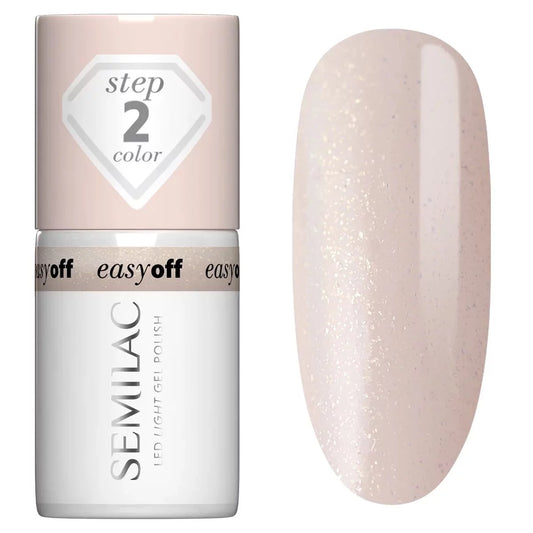
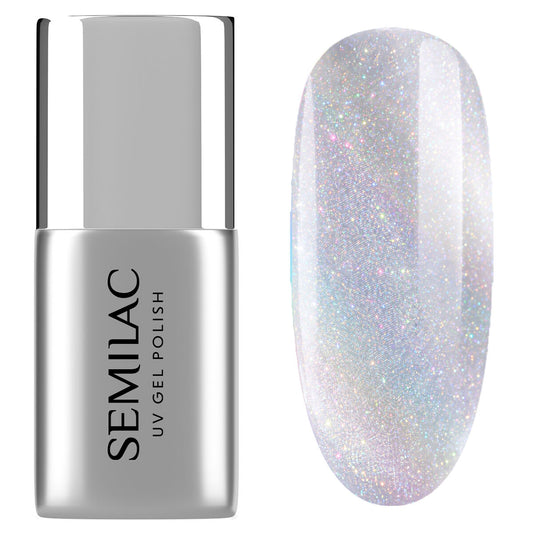
- Skin Tone Cover Base Glitter Beige - cool beige with pink hints and subtle shimmer for dimensional effects
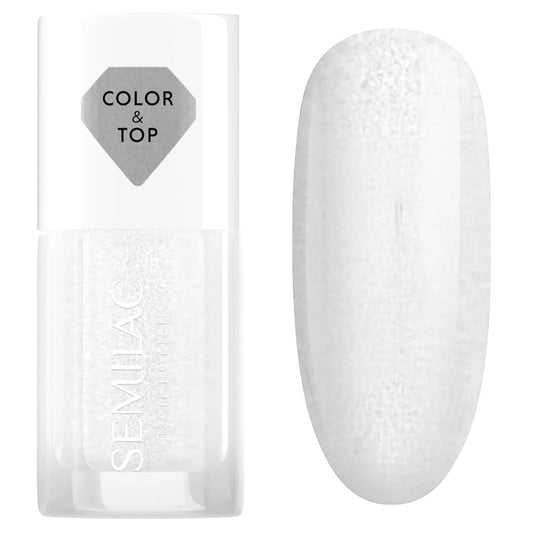
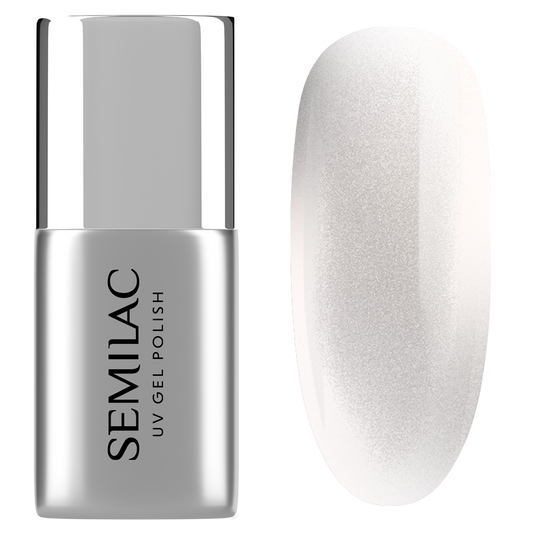
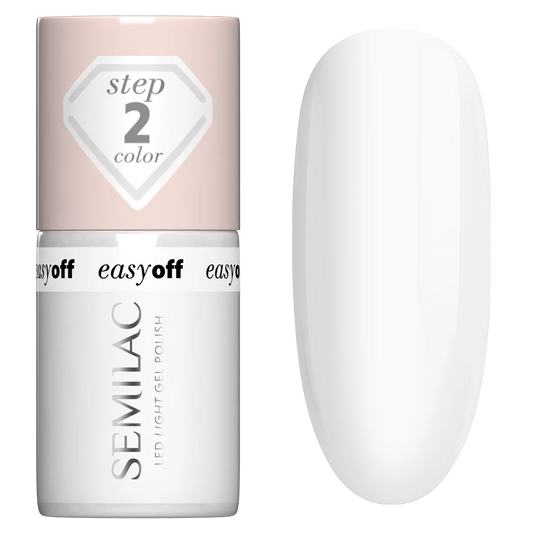
- Skin Tone Cover Base Coconut Cream - creamy milk-white shade ideal for fair complexions
These versatile bases function as standalone treatments or foundations for additional color layering, providing solutions for clients seeking natural enhancement or those wanting perfect color bases for artistic applications.
Nail plate considerations
Beyond skin tone matching, nail plate characteristics significantly influence color selection and application success. Nail length, shape, and natural color all affect how polish colors appear and perform. Shorter nails benefit from lighter, neutral colors that create length illusion, while longer nails can support deeper, more dramatic shades without overwhelming proportions. Natural nail color variations require different approaches – yellow-toned nails need cooler base colors to neutralize discoloration, while pink-toned nails work well with warm color families.
Nail plate flexibility influences product selection for optimal longevity. Soft, flexible nails require elastic formulas that move with natural nail flexibility, while hard, brittle nails benefit from strengthening bases that provide structure and protection. Professional assessment includes examining nail surface texture, thickness, and any existing damage that might affect color application or wear characteristics.
Professional application techniques
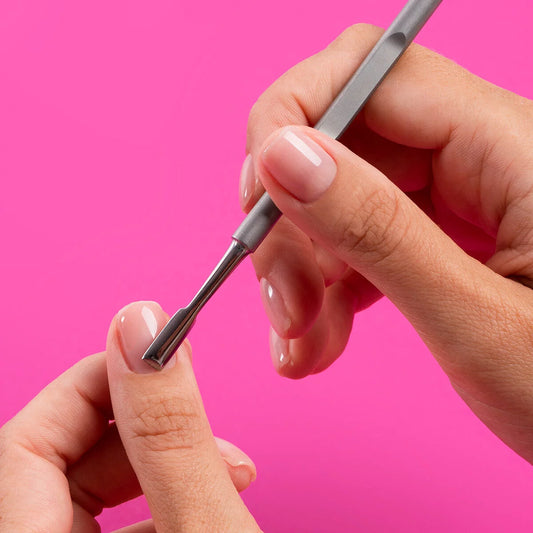
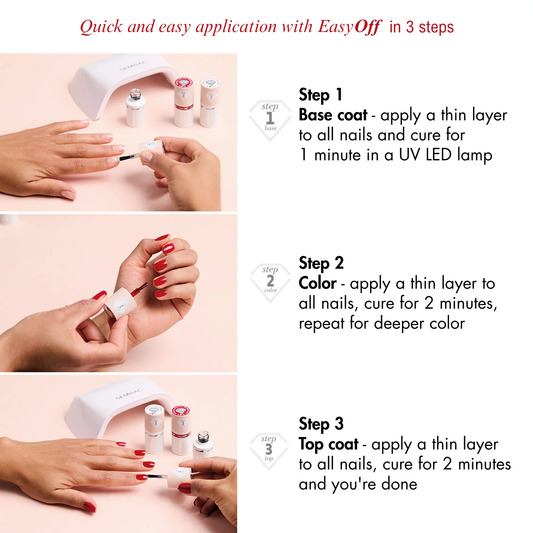
Creating flawless color matching requires proper application techniques that maximize color accuracy and longevity. Begin with thorough nail preparation including cuticle work, shaping, and surface cleaning to ensure optimal adhesion. Apply appropriate nail cleaner or alcohol to remove oils and debris that could affect color appearance. Base coat application becomes crucial for color accuracy – use clear bases for true color representation or tinted bases for color enhancement effects.
Essential application steps include:
- Apply thin, even coats to maintain color integrity and prevent streaking
- Build coverage gradually through multiple layers for consistent opacity
- Cure each layer completely to ensure proper color development
- Finish with appropriate top coat for desired shine and protection
Color application techniques vary based on desired opacity and finish. Semi-transparent shades require thin, even coats to maintain their subtle nature, while full-coverage colors need consistent application to prevent streaking. Building color gradually through multiple thin layers ensures even coverage while maintaining color integrity throughout the curing process.
Advanced color theory applications
Professional color selection benefits from understanding color theory principles that create harmony between multiple design elements. Complementary colors create vibrant contrasts perfect for accent nail applications, while analogous colors provide subtle variations ideal for gradient effects. Monochromatic schemes using different intensities of single color families create sophisticated, cohesive looks appropriate for professional environments.
Seasonal color adaptations help clients maintain current trends while respecting their natural coloring. Spring palettes emphasize fresh, light colors that complement renewed energy, while autumn selections feature rich, warm tones that harmonize with changing seasons. Understanding these cycles helps professionals recommend timely updates that keep clients feeling current and confident.
Lifestyle and occasion considerations
Color selection must consider client lifestyle and intended wear occasions to ensure satisfaction and appropriateness. Professional environments may require conservative color choices that enhance rather than distract from business objectives. Creative industries often embrace bold color expressions that showcase personality and artistic sensibility. Special occasions warrant careful consideration of dress colors, lighting conditions, and photographic requirements.
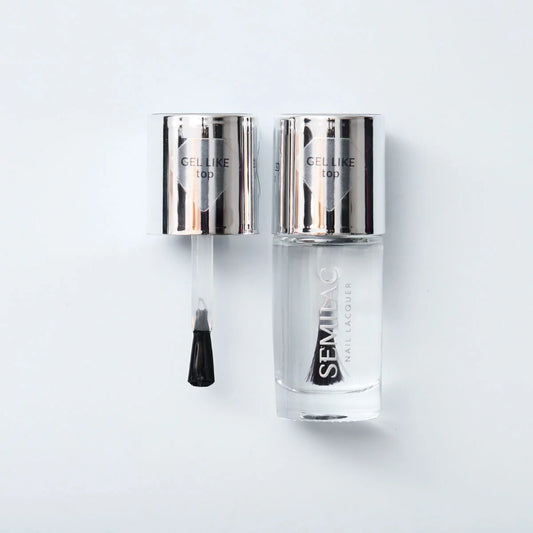
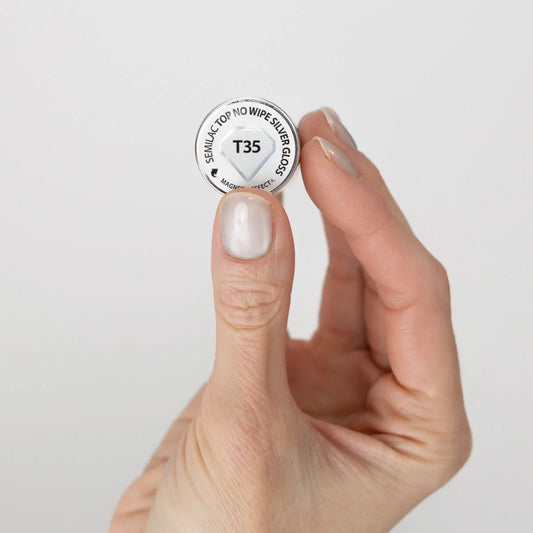
Maintenance preferences influence color selection recommendations. High-maintenance clients may enjoy frequent color changes and complex designs, while busy professionals prefer longer-wearing, chip-resistant options that maintain appearance between appointments. Using Semilac Top No Wipe Real Color ensures color-true protection without maintenance requirements. Understanding these preferences helps build long-term client relationships based on realistic expectations and satisfying results.
Troubleshooting common issues
Color mismatch problems often stem from lighting differences between application and wear environments. Always assess colors under multiple lighting conditions including natural daylight, fluorescent, and incandescent sources to ensure consistent appearance. Yellow or green undertones in artificial lighting can dramatically alter color perception, making careful selection crucial for client satisfaction.
Skin tone changes throughout the year affect color compatibility as tanning, seasonal color variations, and health factors influence undertone perception. Regular reassessment helps maintain optimal color harmony while accommodating natural changes. Professional consultation includes discussion of these factors to set appropriate expectations and timing for color updates.
FAQ:
How do I determine if I have warm or cool undertones?
Look at your wrist veins under natural light – greenish veins indicate warm undertones, while blue or purple veins suggest cool undertones. If you see both, you likely have neutral undertones.
Can dark colors work on short nails?
Absolutely! Well-applied dark colors can look stunning on short nails. The key is proper application technique and choosing shades that complement your skin tone rather than following outdated length-based rules.
What makes Skin Tone Cover Base different from regular nail polish?
These bases feature flexible formulas that adapt to various nail types while providing natural-looking coverage that seamlessly blends with your skin tone, eliminating visible regrowth lines.
How often should I reassess my color choices?
Consider reassessment seasonally or when you notice significant skin tone changes from sun exposure, health factors, or aging. Your professional nail technician can help identify when updates would be beneficial.


No comments
0 comments